Stretch Ceiling Pros and Cons: Lifespan, Safety and Leaks (2026)
By Admin | 11/17/2026

If you are planning a new home or office in Islamabad, Lahore or Karachi, you have probably seen a stretch ceiling and wondered if it is worth it. It looks smooth, it takes light beautifully, and it can be printed with almost any design. But people also ask the hard questions. How long will it last? Is it safe? What happens if the roof leaks?
At Axion Light we supply and install stretch ceilings along with the lighting that goes behind and inside them, so these are the questions we hear every week. This guide gives you straight answers, with the good and the bad, so you can decide with confidence.
What a Stretch Ceiling Actually Is
A stretch ceiling is a thin PVC or fabric membrane that is pulled tight and locked into a small perimeter track fixed to your walls. It sits a few centimetres below the real ceiling, so you get a perfectly flat surface without plaster, paint or heavy boards. If you want the full background, our guide on what is Barrisol explains the material and where it is used.
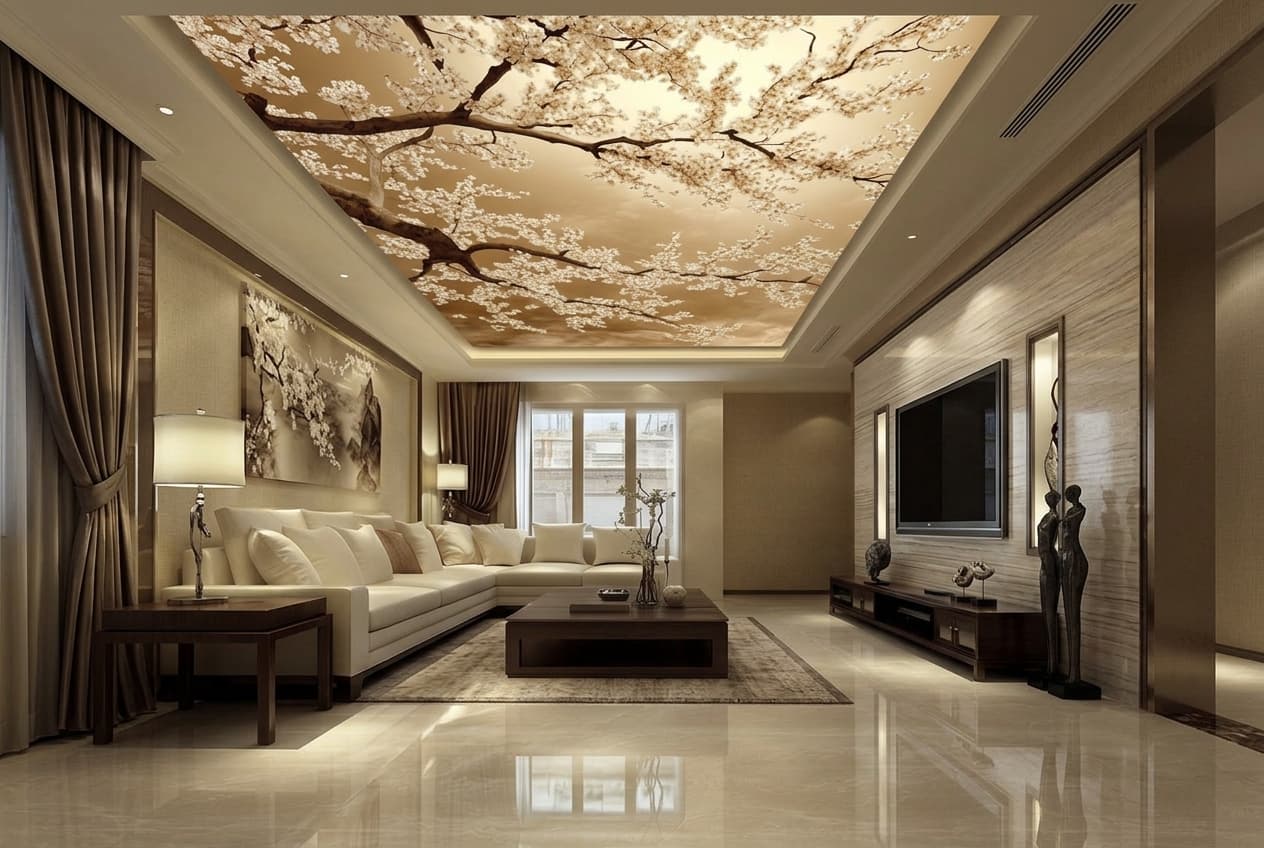
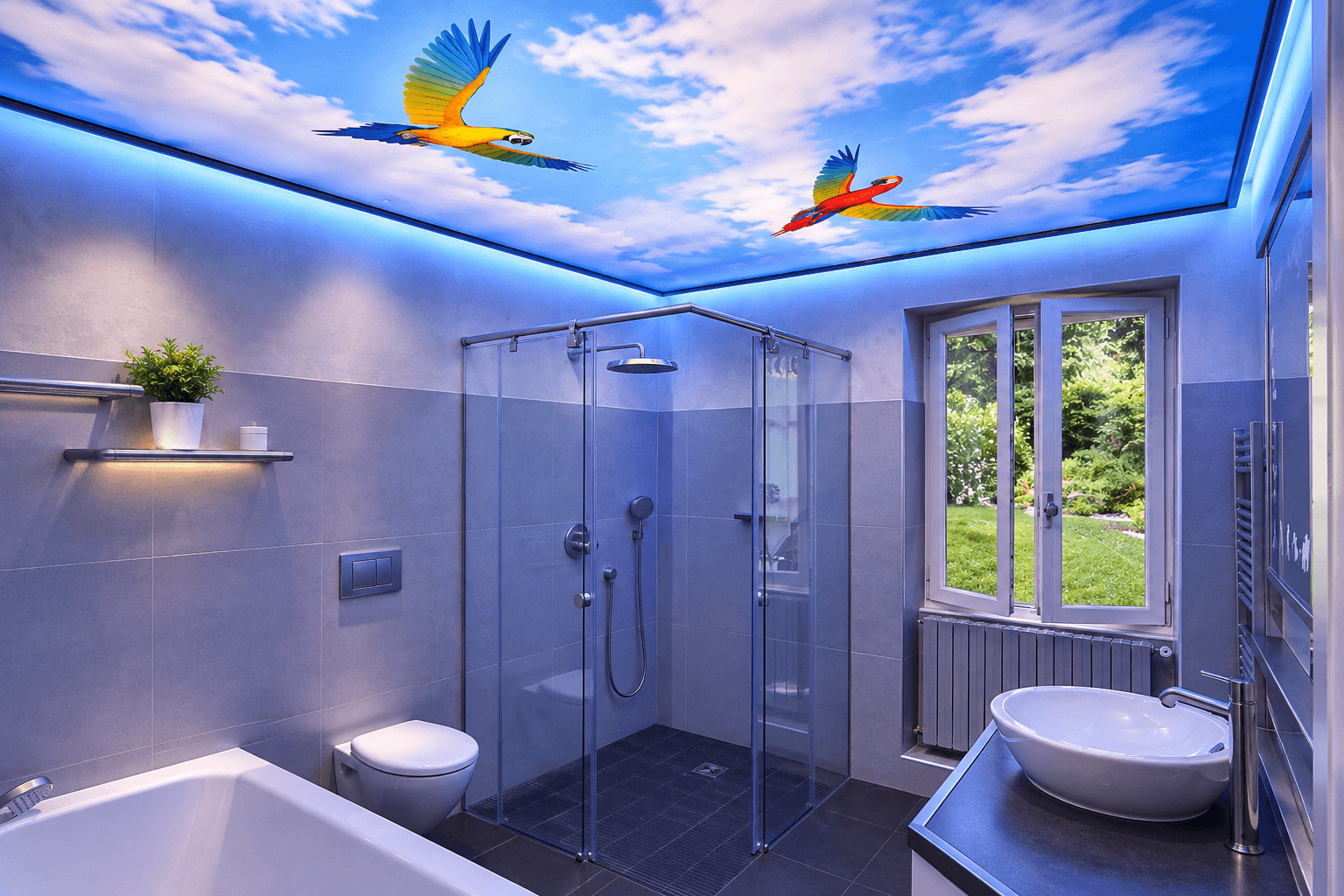
The membrane comes in matte, satin, gloss, translucent (backlit) and printed finishes. You can see our premium white stretch ceiling fabric and the custom printed stretch ceiling option, where you simply send your design on WhatsApp.
The Pros: Why People Choose Stretch Ceilings
Clean finish with no cracks. There is no plaster to crack, no paint to peel and no seams to tape. Once installed, the surface stays flat and even.
Fast and dust-free installation. Most rooms are finished in a day. Compared with a gypsum false ceiling, there is far less mess, which matters if you are already living in the house. Our blog on stretch ceiling vs false ceiling goes deeper on this comparison.
Easy to clean. A soft damp cloth is enough. The surface does not absorb moisture, so it suits kitchens, bathrooms and corridors.
Design freedom. You can print a sky, a marble pattern, a company logo or a glowing translucent panel. Our team did exactly this in the car showroom stretch ceiling project and the modern office stretch ceiling for ACM Group.
Hides wiring and imperfections. Cables, uneven slabs and old cracks all disappear behind the membrane.
The Cons: What Nobody Tells You
A good guide has to be honest, so here are the real downsides.
Sharp objects can puncture it. A nail, a sharp tool or a flying cork can tear the membrane. Small holes can often be repaired, but a large tear usually means replacing the sheet.
Heat near fixtures matters. Hot, cheap lights placed too close to the membrane can cause marks or warping. This is one of the biggest reasons to use cool-running LED lighting and keep proper distance.
Access above the ceiling is limited. If you need to reach a pipe or wire later, the sheet may need to be released and re-stretched by a technician.
Price is higher than basic paint. It costs more than a simple painted ceiling, though usually comparable to or lower than a detailed gypsum design. Our Barrisol stretch ceiling price in Pakistan guide shows what affects the final rate.
Quality varies a lot. Thin, low-grade PVC can yellow, sag or smell. Material choice decides almost everything.
How Long Does a Stretch Ceiling Last?
A good-quality stretch ceiling commonly lasts 10 to 20 years or more indoors. Some manufacturers quote even longer, but real life depends on four things:
Material grade: branded, thicker PVC lasts much longer than the cheapest sheets.
Installation quality: a properly tensioned sheet with a solid perimeter track does not sag.
Heat and light choice: cool LEDs protect the membrane, while hot halogen-style lamps shorten its life.
Room conditions: steady humidity is fine, but extreme heat, direct flames or sharp use will shorten the lifespan.
Keep the room well ventilated, clean it gently, and avoid hanging heavy objects from it. Our LED maintenance tips for Pakistani conditions also help you protect the lights installed in it.
Is a Stretch Ceiling Safe? Fire, Electricity and Health
Fire safety. Reputable stretch ceilings are made from fire-retardant material (look for B1 or M1-type ratings). Under high heat they tend to shrink or melt away from the flame rather than feed it. Always ask your supplier for the fire rating before you buy, because cheap unrated sheets are a real risk.
Electrical safety. The membrane itself does not conduct electricity, but the wiring and power supplies behind it must be neat, insulated and properly rated. Use a correct driver and the right voltage. Our 12V vs 24V LED strip guide will help you choose safely.
Health and smell. Good-quality sheets are low-odour and non-toxic once installed. A strong chemical smell that does not fade is a warning sign of poor material.
Lighting safety. Use low-heat fixtures. Recessed COB LED downlights with an aluminium body spread heat well and suit stretch ceilings nicely.
What Happens When There Is a Leak?
This is the question people worry about most, and the answer is surprising. A stretch ceiling does not cause leaks, but it can actually reduce the damage from one.
If water drips from the slab above, the membrane can hold a good amount of water and slowly sag into a bubble. This warns you early and protects your furniture and floor. A technician can then release a corner, drain the water safely, and re-stretch the sheet. In many cases the same sheet is reused.
The key rule is to fix the source of the leak. A stretch ceiling hides the problem, so you should never ignore a damp stain on the slab. Always repair roof or pipe issues before installation. The same moisture awareness helps outdoors too, as explained in our guide on IP65 vs IP44 ratings.
Axion Light Stretch Ceiling vs Standard Ceiling Options
Feature | Axion Light Stretch Ceiling | Standard Gypsum False Ceiling | Plain Painted Ceiling |
Typical lifespan | 10 to 20+ years with good material | 8 to 15 years, may crack | 3 to 6 years before repaint |
Installation time | Usually 1 day per room | Several days | 1 to 2 days |
Mess and dust | Very low | High | Medium |
Leak behaviour | Holds water, warns early, can be re-stretched | Stains, swells, may collapse | Stains and peels |
Cracks | None | Common at joints | Common on old slabs |
Design options | Printed, backlit, glossy | Shapes and cut-outs | Colour only |
Lighting compatibility | Works with cool LED and profiles | Works with most lights | Surface lights only |
Maintenance | Wipe with a damp cloth | Repaint and patch | Repaint |
The table makes one thing clear. A stretch ceiling is not always the cheapest at the start, but it often costs less over the years because you avoid repainting and crack repair.
Lighting a Stretch Ceiling the Right Way
The light you choose changes the whole look. For a glowing translucent ceiling, use LED strip lights behind the sheet. For clean spot lighting, use recessed fixtures. For a starry look, fiber optic star lights are a favourite, and you can see the result in our fiber optic star ceiling project in Swabi.
Think about colour temperature too. Our blog on warm vs cool lighting helps you match the mood to the room. If you are still planning the layout, read our notes on LED ceiling lights price in Pakistan to budget for lights and ceiling together.
Who Should and Should Not Choose a Stretch Ceiling
It is a great fit if you want a clean modern look, fast installation, easy cleaning, or a custom printed design for a lounge, bedroom, office or showroom.
Think twice if the roof above still leaks, you need frequent access to pipes above the ceiling, or you plan to use very hot lights. In those cases, fix the problem first or choose a different ceiling type.
If you want to see how it is ordered step by step, our guide on how to order and install a custom printed stretch ceiling in Pakistan walks through measurements, design approval and installation.
FAQs
1. How many years does a stretch ceiling last?
A good-quality stretch ceiling lasts around 10 to 20 years indoors, sometimes more. The exact life depends on the material grade, installation quality and the lights used. Cool LEDs and gentle cleaning help it last longer.
2. Is a stretch ceiling safe in case of fire?
Branded stretch ceilings use fire-retardant material and are tested to recognised standards. Always ask for the fire rating before buying. Avoid cheap, unrated sheets, and keep hot lights away from the membrane.
3. What happens if water leaks onto a stretch ceiling?
The membrane holds the water and forms a visible bulge, which gives you early warning. A technician can drain it and re-stretch the same sheet in many cases. You must still repair the leak at the source.
4. Can I install lights in a stretch ceiling?
Yes. Recessed downlights, LED strips, track lights and fiber optic stars all work well. Use low-heat, good-quality fixtures and have them fitted with the proper support rings so the sheet is never stressed.
Conclusion
A stretch ceiling is one of the cleanest, fastest and most flexible ceiling options available in Pakistan today. It lasts many years, cleans easily, handles leaks better than most ceilings, and looks stunning with the right lighting. Its weak points are punctures, heat near fixtures and poor-quality material, and all three are easy to avoid when you choose a trusted supplier and install it properly.
At Axion Light, we help you pick the right fabric, plan the lighting and finish the installation neatly. Whether you want a simple white ceiling or a fully printed, backlit design, our team can guide you from measurement to final switch-on. Message Axion Light today and tell us about your space, and we will suggest the best option for your budget.