High-CRI Downlights for Boutiques, Salons and Showrooms
By Admin | 10/30/2026

A customer holds a red lawn suit under your shop lights, then steps outside and finds it looks more orange. A client leaves your salon happy with her hair colour, then calls the next day because it looks different at home. A buyer likes a car in your showroom but hesitates because the paint "looks a bit flat." All three problems come from poor colour rendering, and you can fix them with the right ceiling lights.
At Axion Light, we hear this from shop owners, salon managers and showroom teams in Islamabad, Rawalpindi and Lahore. This guide covers what you need to know before buying high CRI downlights for your space, and how to choose the right wattage, colour temperature and layout.
What CRI Means and Why It Matters
CRI (Colour Rendering Index) is a score from 0 to 100 that shows how accurately a light source displays real colours compared with natural daylight. A low score makes colours look dull, yellow or washed out. A high score keeps them true.
Most cheap downlights in the market sit around CRI 70 to 80. That is fine for a store room or corridor, but it is a poor choice where colour decides the sale. A CRI 90 LED downlight shows reds, skin tones, golds and fabric prints much closer to how they look in daylight. If you want the technical side, our guide to COB downlight CRI explains wattage, beam angle and CRI in plain language.
Why Boutiques Need High-CRI Lighting
Clothing is all about colour and texture. Embroidery, zari work, silk, chiffon and bridal wear look their best under light that keeps fine detail visible. Poor lighting makes a deep maroon look brown and a pastel green look grey. That leads to returns and lost trust.
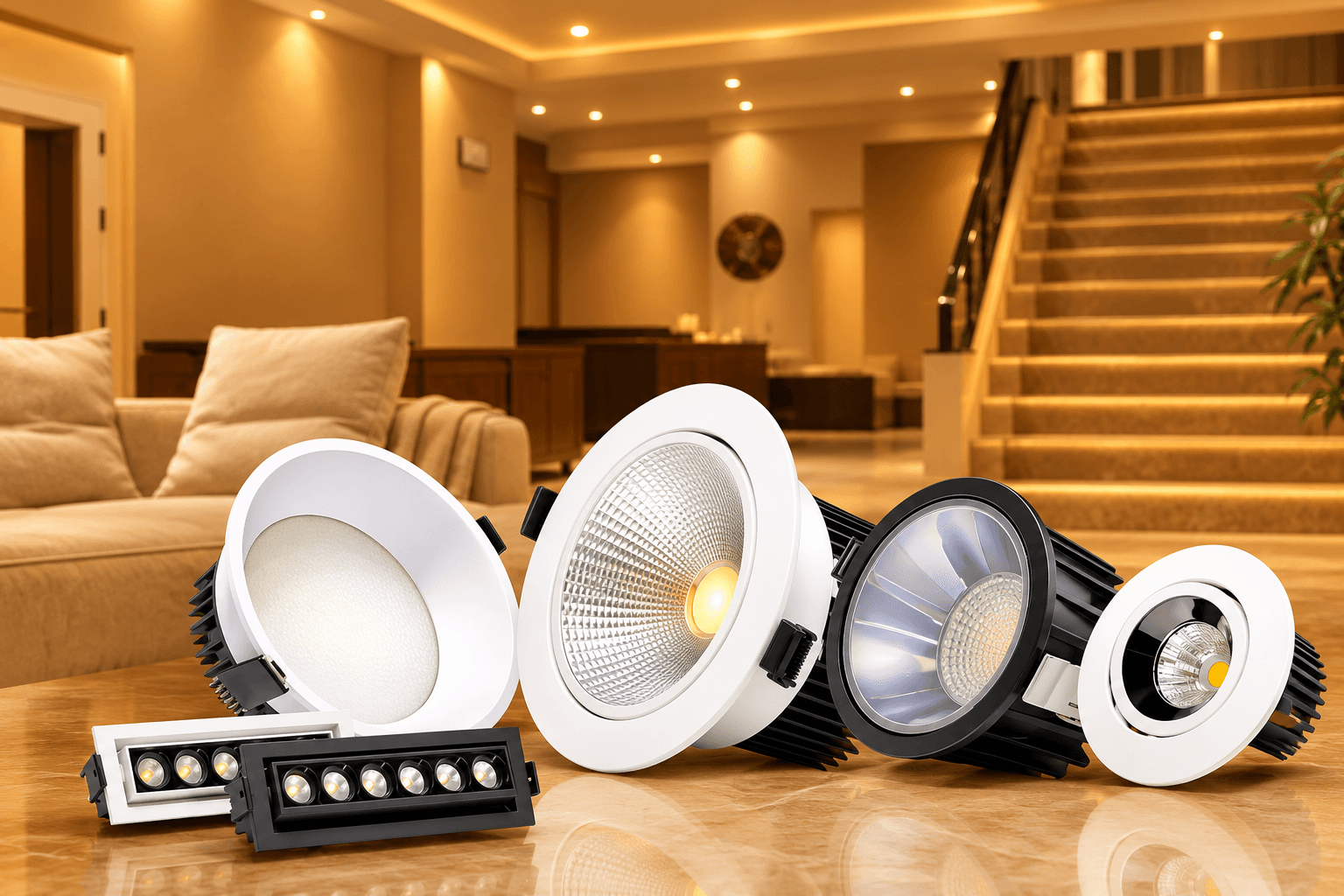
For boutique lighting, we suggest recessed downlights at 3000K to 4000K with CRI 90 or higher, placed over display racks, mannequins and the trial area. Axion Light's CRI 90 downlight has a 3-inch cut-out and a 12W COB source, which suits standard boutique ceilings well. The same idea runs through our guide to the best retail shop lighting: light the product first, then the walkway.
A good example is our work at Al Burhan Luggage, where lighting was planned around the display so every product stood out without harsh glare.
Salon Lighting: Where True Colour Is the Service
A salon sells colour: hair colour, makeup shades, skin tone and nail art. If your lights distort these, your client sees a different result at home than in your chair.
For salon lighting, keep these points in mind:
Use neutral white (4000K) for hair colouring and makeup stations, because it is closest to natural daylight.
Use warm white (3000K) in the waiting and reception area to feel welcoming.
Put lights on both sides of the mirror line, not only above, so faces do not have heavy shadows.
Choose anti-glare downlights so stylists and clients do not squint, and eyes stay comfortable through long appointments.
If you want one fixture that handles all three zones, the 3-in-1 colour downlight lets you switch between warm, neutral and cool white, so you can match the light to each area.
Showrooms: Make Products Look as Good as They Are
Cars, furniture, tiles, bathroom fittings and electronics all depend on how light hits their surface. In a showroom, a high CRI downlight keeps paint, wood grain and fabric looking rich, while a smart beam angle avoids hot spots and reflections on glossy finishes.
For showrooms, we recommend a mix of general light and accent light. Use recessed downlights for even ground-level brightness, then add a COB track light to highlight feature products or new arrivals. Our car showroom lighting project in Islamabad shows how a stretch ceiling with well-placed lights makes vehicles look sharp from every angle.
How to Choose the Right Wattage and Colour Temperature
Choosing well is simple once you match the light to the job.
Wattage: For ceilings of 9 to 10 feet, 9W to 12W downlights work well. Go higher only for double-height ceilings. Many shop owners worry about running costs, but LED is far cheaper than most people expect. Check our breakdown of the 12W COB downlight electricity cost in PKR before you decide.
Colour temperature:
3000K warm white suits luxury boutiques, jewellery counters and lounge areas.
4000K neutral white suits salons, clothing stores and general retail.
6000K cool white suits tech stores and workshops, but it can feel harsh on skin and fabric.
If you are unsure which one fits your brand, read our guide on warm vs cool lighting, which explains how each tone changes the mood of a room.
Dimming: Retail lighting should change with the time of day. A dimmable COB downlight paired with a compatible LED dimmer lets you go bright in the afternoon and softer in the evening, which also helps save power. Our tips on reducing electricity bills with LED lights cover this in more detail.
Axion Light High-CRI Downlight vs Standard Downlight
Feature | Axion Light CRI 90 Downlight | Standard Downlight |
Colour rendering (CRI) | 90 and above, true colours | Usually 70 to 80, slightly dull |
Light source | COB LED, smooth single beam | Basic SMD, can look spotty |
Glare control | Deep recessed anti-glare design | Often exposed, causes glare |
Body material | Aluminium body for better heat control | Thin plastic or low-grade metal |
Dimming | Dimmable options available | Mostly non-dimmable |
Colour options | 3000K, 4000K, 6000K and 3-in-1 | Usually one colour only |
Best use | Boutiques, salons, showrooms, offices | Stores, corridors, back areas |
The extra care in the build shows over time, since good heat control keeps brightness stable for years. Our comparison of COB vs SMD LEDs explains why COB is usually the better pick for shops and showrooms.
Layout Tips That Make Any Space Look Better
Good lights still need good placement. A few simple rules help:
Space downlights roughly 3 to 4 feet apart in boutiques so there are no dark gaps between them.
Put lights slightly in front of racks and shelves, not directly above, so the product face is lit and not the top edge.
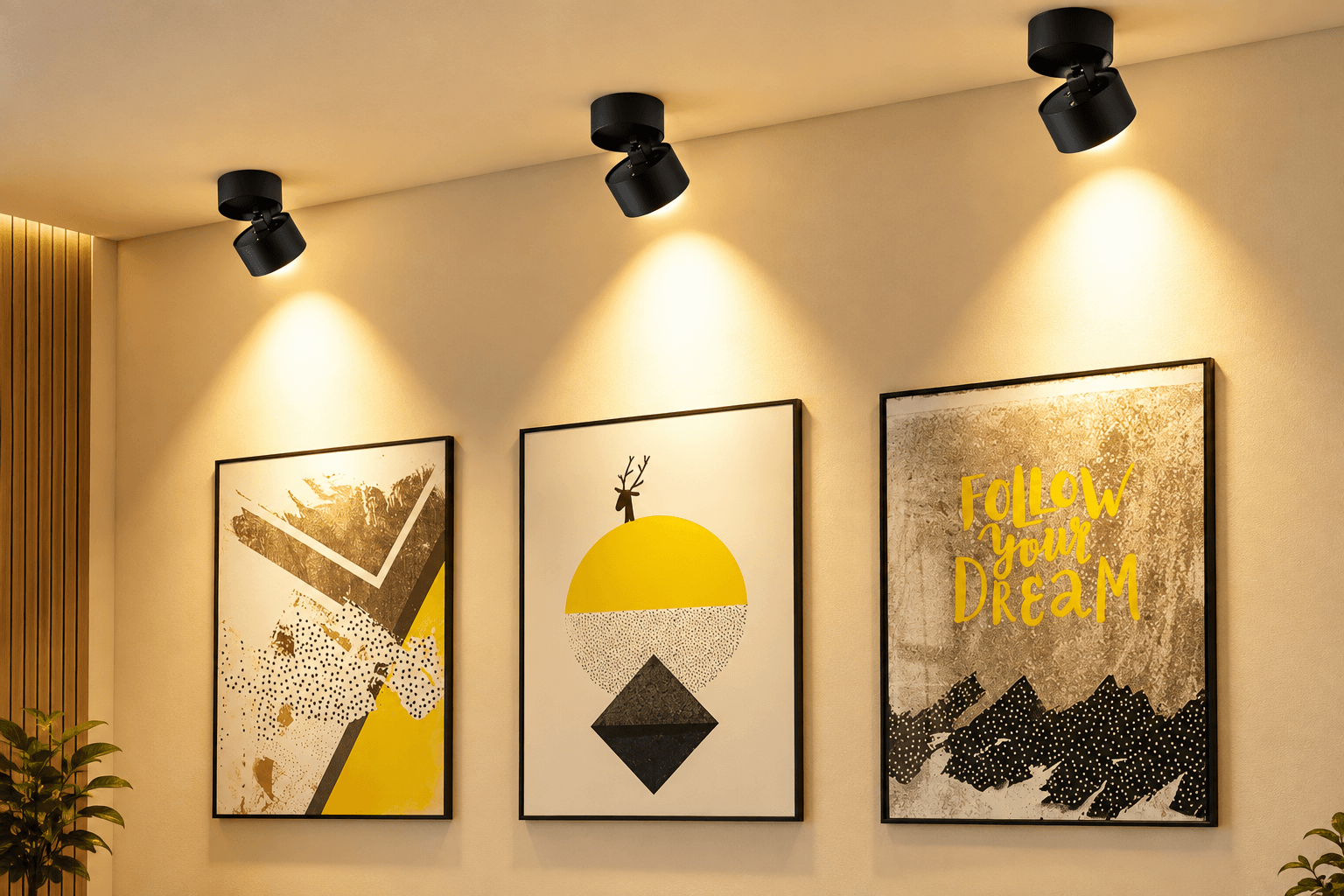
Add a few adjustable spot lights on feature walls, mannequins or logo boards.
Keep the same colour temperature across one zone, because mixing tones looks messy.
If your ceiling is a stretch or false ceiling, plan the cut-outs before the ceiling is installed. It saves time and avoids damage later. Our guide on false ceiling lighting covers sizes and depth.
FAQs
What CRI should I choose for a clothing boutique?
Choose CRI 90 or higher. At this level, embroidery, silk and bridal colours look the same under your lights as they do in daylight. This cuts down returns and builds customer trust. CRI 80 is acceptable only for storage or back-office areas.
Which colour temperature is best for a salon?
Use 4000K neutral white at hair colouring and makeup stations because it is closest to daylight. Use 3000K warm white in the waiting area. A 3-in-1 downlight is a handy option if you want to switch tones without changing the fixture.
Are high CRI downlights more expensive to run?
No. A 12W COB downlight uses very little power, and the running cost is nearly the same as a standard 12W light. You pay a little more at purchase, but you get better colour, longer life and fewer replacements.
How many downlights do I need for my shop?
A rough guide is one 12W downlight for every 20 to 25 square feet in retail areas, then extra accent lights for displays. Exact numbers depend on ceiling height and wall colour. Axion Light can help you plan a layout based on your floor plan.
Conclusion
Lighting is one of the cheapest ways to improve how your boutique, salon or showroom looks and sells. A high CRI downlight keeps colours true, reduces glare and makes your products and your customers look their best. Choose CRI 90 or higher, match the colour temperature to your space, add dimming where it helps, and plan the layout before the ceiling goes up.
Axion Light supplies CRI 90 COB downlights, track lights, spot lights and dimmers, along with layout advice for shops, salons and showrooms across Pakistan. Browse our downlight collection or message our team with your space size, and we will suggest the right fixtures.