How to Choose the Right LED Indoor Lighting for Every Room
By Admin | 4/13/2026
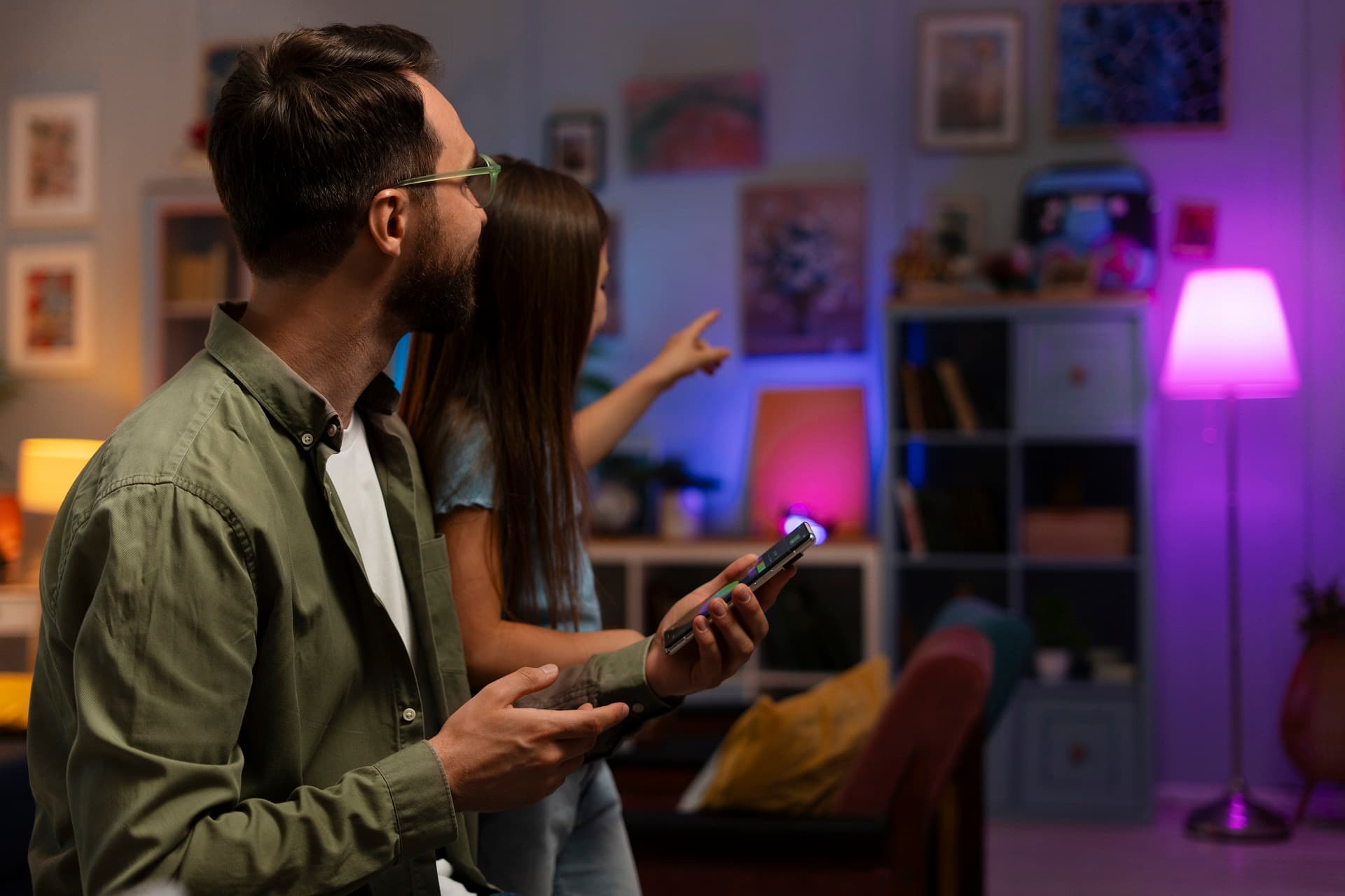
Choosing the right LED indoor lighting for every room is essential for creating comfortable, functional, and visually appealing spaces. Modern LED lighting solutions offer energy efficiency, long lifespan, and stylish designs suitable for homes, offices, and commercial interiors. However, each room requires a different lighting approach based on its purpose and layout.
In this guide, we will help you understand how to choose the best LED lights for each room, along with useful tips to improve lighting quality and energy savings from Axion Lights.
Why LED Indoor Lighting Is the Best Choice
LED lighting has become the preferred option for indoor spaces due to its performance and reliability. Compared to traditional bulbs, LED lights consume less electricity, produce less heat, and last significantly longer.
Benefits of LED Indoor Lighting
Energy-efficient and cost-saving
Long lifespan (up to 50,000 hours)
Low maintenance requirements
Available in various colour temperatures
Eco-friendly and safe
Stylish and modern lighting designs
Using high-quality LED indoor lighting also improves visibility and enhances the appearance of furniture, walls, and décor.
Understanding the Three Types of Indoor Lighting
Before selecting LED lights for specific rooms, it is important to understand the three main lighting types.
Ambient Lighting (General Lighting)
Ambient lighting provides overall illumination to a room. Common examples include:
LED panel lights
Ceiling lights
LED downlights
Surface-mounted lights
This lighting ensures the room is evenly lit without shadows.
Task Lighting
Task lighting focuses on specific areas where activities are performed.
Examples include:
LED desk lamps
Under-cabinet LED strip lights
Mirror lights
Reading lights
Task lighting improves accuracy and reduces eye strain.
Accent Lighting
Accent lighting highlights decorative elements such as:
Wall textures
Artwork
Shelves
Architectural features
LED strip lights and spotlights are commonly used for accent lighting.
Choosing LED Lighting for the Living Room
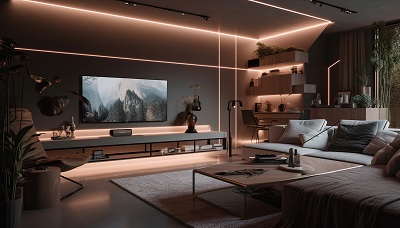
The living room is one of the most important areas of a home. It requires a combination of ambient, task, and accent lighting to create a welcoming environment.
Recommended LED Lights for Living Rooms
LED panel lights for main illumination
Recessed LED downlights for modern ceilings
LED strip lights for TV units or shelves
Decorative pendant lights for visual appeal
Best Colour Temperature
Use 3000K to 4000K LED lighting to create a warm and comfortable atmosphere.
Lighting Tip
Layer different types of lighting instead of relying on a single light source. This improves brightness and enhances the room’s appearance.
Choosing LED Lighting for Bedrooms
Bedrooms require soft and relaxing lighting to promote rest and comfort. Bright white lighting is usually not suitable for sleeping areas.
Recommended LED Lights for Bedrooms
Warm LED ceiling lights
Bedside LED lamps
LED strip lights behind headboards
Recessed LED downlights
Best Colour Temperature
Choose 2700K to 3000K warm white LED lights for a cozy and relaxing environment.
Lighting Tip
Install dimmable LED lights to adjust brightness levels according to mood and time of day.
Choosing LED Lighting for Kitchens
The kitchen requires bright lighting to ensure safe cooking and food preparation. Proper task lighting is especially important.
Recommended LED Lights for Kitchens
LED panel lights for ceiling illumination
Under-cabinet LED strip lights
LED spotlights for counters
Surface-mounted LED lights
Best Colour Temperature
Use 4000K to 5000K cool white lighting for better visibility.
Lighting Tip
Avoid shadows on countertops by installing lights directly above working areas.
Choosing LED Lighting for Bathrooms
Bathrooms require moisture-resistant lighting that provides clear visibility for grooming and cleaning.
Recommended LED Lights for Bathrooms
Waterproof LED ceiling lights
Mirror LED lights
Recessed LED downlights
IP-rated LED fixtures
Best Colour Temperature
Choose 4000K neutral white LED lighting for accurate colour visibility.
Lighting Tip
Always use IP-rated waterproof LED lights to ensure safety and durability.
Choosing LED Lighting for Dining Areas
Dining rooms should create a warm and inviting atmosphere suitable for family meals and gatherings.
Recommended LED Lights for Dining Rooms
LED pendant lights above the dining table
LED strip lights for decorative accents
Recessed LED ceiling lights
Best Colour Temperature
Use 3000K warm white lighting to enhance comfort and ambiance.
Lighting Tip
Position pendant lights directly above the dining table to create focused illumination.
Choosing LED Lighting for Offices and Study Rooms
Offices and study rooms require bright lighting that improves concentration and reduces eye fatigue.
Recommended LED Lights for Offices
LED panel lights
Desk LED lamps
Recessed LED downlights
Linear LED lights
Best Colour Temperature
Use 4000K to 5000K daylight LED lighting for improved focus and productivity.
Lighting Tip
Place lights evenly to avoid glare on screens and documents.
Choosing LED Lighting for Hallways and Corridors
Hallways are often overlooked but require proper lighting for safety and navigation.
Recommended LED Lights for Hallways
Recessed LED downlights
Surface-mounted ceiling lights
LED wall lights
Best Colour Temperature
Use 3000K to 4000K LED lighting for balanced brightness.
Lighting Tip
Install motion sensor LED lights to save electricity.
FAQs About Choosing LED Indoor Lighting
1. How do I choose the right brightness for each room?
Calculate brightness based on room size and purpose. Larger rooms require higher lumens, while bedrooms need softer lighting.
2. What colour temperature is best for indoor lighting?
Warm white (2700K–3000K) is ideal for relaxing spaces, while neutral and cool white lighting works best for kitchens and offices.
3. Are LED lights better than traditional bulbs?
Yes, LED lights last longer, consume less electricity, and provide better illumination than traditional incandescent or fluorescent bulbs.
4. Can LED lights be used for decorative purposes?
Yes, LED strip lights, pendant lights, and spotlights are commonly used for decorative and accent lighting.
5. How long do LED indoor lights last?
High-quality LED lights can last 25,000 to 50,000 hours, depending on usage and quality.
6. Is it necessary to use waterproof LED lights in bathrooms?
Yes, using IP-rated waterproof LED lighting ensures safety and durability in moisture-prone areas.
Conclusion
Choosing the right LED indoor lighting for every room is essential for creating comfortable, efficient, and visually appealing interiors. By understanding the purpose of each room and selecting suitable brightness, colour temperature, and fixture types, you can achieve the perfect lighting setup for your home or workspace.
Modern LED lighting solutions offer flexibility, energy savings, and long-lasting performance, making them the best choice for indoor environments. Whether you are designing a new space or upgrading existing lighting, selecting the correct LED lights ensures better functionality, improved aesthetics, and long-term savings.