How to Choose the Right Aluminium Profile for LED Strip Lights
By Admin | 8/28/2026
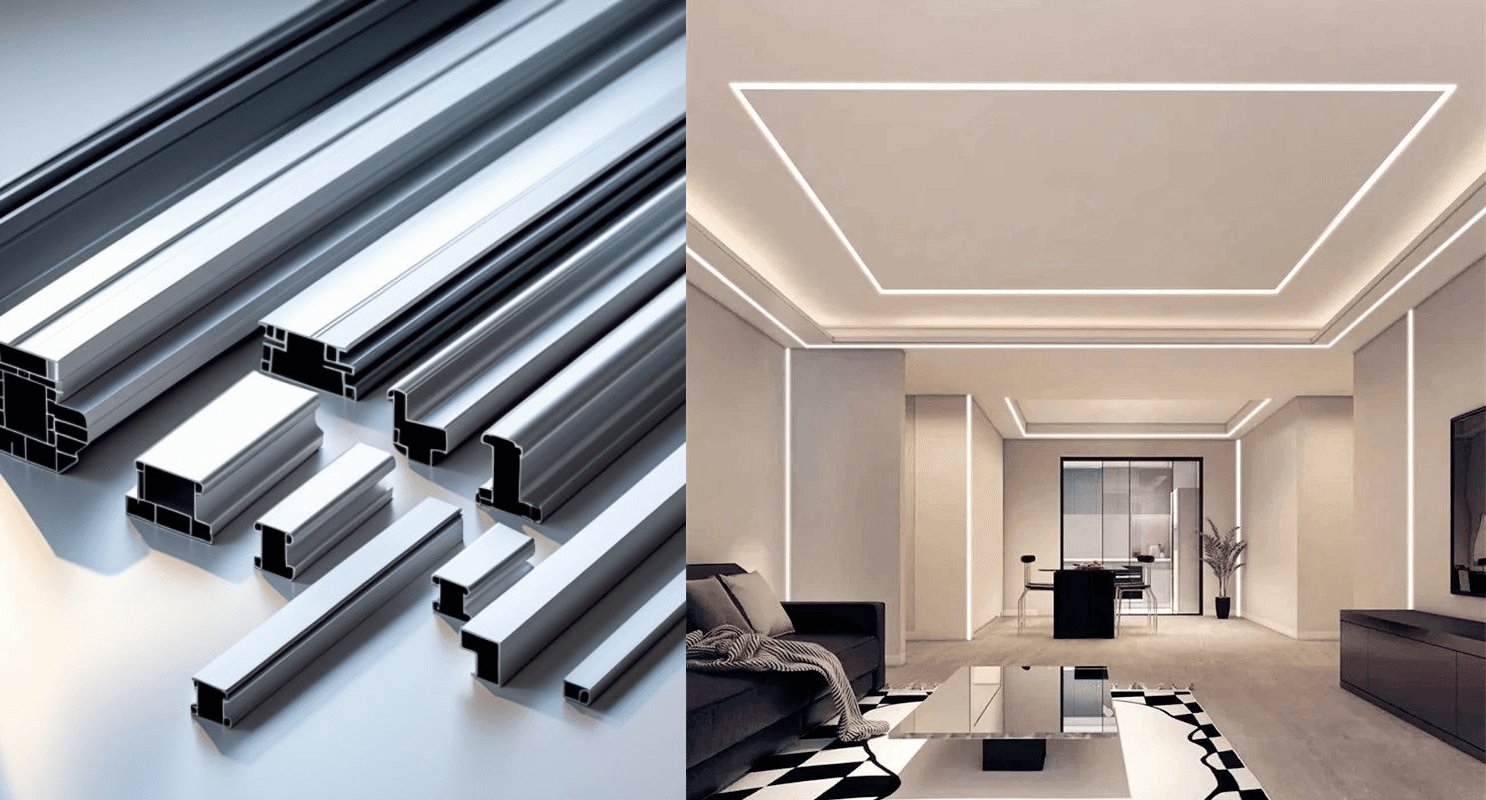
LED strip lights can completely change the appearance of a home, office, shop, ceiling, kitchen, or commercial space. However, installing an LED strip directly onto a surface is not always the best solution. The strip may overheat, visible LED dots can affect the appearance, and the installation may look unfinished. This is where an Aluminium profile for LED strip lights becomes important.
An aluminium profile, also known as an LED strip aluminium channel, provides a clean structure for mounting LED strips. It helps manage heat, protects the LED strip, improves the overall finish, and can create continuous, professional-looking lighting.
But choosing the right profile can sometimes be confusing. There are recessed profiles, surface-mounted profiles, corner profiles, hanging profiles, deep profiles, flexible profiles, and different sizes. A profile that works perfectly for under-cabinet lighting may not be suitable for a false ceiling or architectural lighting project.
At Axion Lights, customers often need help selecting the right aluminium LED profile according to their project requirements. The correct choice depends on the LED strip type, installation location, available space, lighting effect, heat management, and overall design.
This guide explains what customers should consider before buying an aluminium profile and how to choose the right option for residential and commercial lighting projects.
Why Do You Need an Aluminium Profile for LED Strip Lights?
Many people ask whether they can simply stick an LED strip directly onto a wall, ceiling, or furniture. While this may work for some temporary installations, an aluminium profile offers several important benefits.
The aluminium body acts as a heat sink and helps transfer heat away from the LED strip. This can support better performance and potentially improve the working life of the LEDs. The profile also protects the strip from dust and accidental damage.
Another major advantage is appearance. When combined with a suitable diffuser, an LED profile light can create a clean line of illumination instead of exposing the LED strip directly.
For professional projects, using an aluminium LED profile usually provides a more premium and finished result.
The Main Types of Aluminium Profiles
Before choosing a profile, you should understand where each type is normally used.
Recessed Aluminium Profile
A recessed or embedded profile is installed inside a groove in wood, gypsum board, furniture, walls, or ceilings. The profile sits inside the surface, creating a clean and integrated lighting effect.
This option is popular for:
False ceilings
Wall grooves
Wooden furniture
Cabinets
Shelves
Architectural lighting
It is a good choice when you want the lighting to look built into the design rather than attached to the surface.
Surface-Mounted Aluminium Profile
Surface-mounted profiles are installed directly onto a wall, ceiling, cabinet, or other flat surface. They are easier to install because a deep groove is not required.
They are commonly used for:
Under-cabinet lighting
Kitchen lighting
Wardrobes
Shelves
Display areas
Renovation projects
For customers who want a simple installation with a professional finish, this can be a practical option.
Corner Aluminium Profile
A corner profile is designed to fit into a 90-degree corner. It directs the light diagonally and is useful where two surfaces meet.
Popular applications include:
Kitchen cabinets
Wardrobes
Shelving units
Wall corners
Display furniture
If your goal is to illuminate a corner without placing the light directly in the centre of the surface, a corner profile can create a better lighting angle.
Pendant or Hanging Aluminium Profile
Hanging profiles are suspended from the ceiling and are commonly used for larger architectural and commercial lighting installations.
They can be suitable for:
Offices
Workspaces
Retail stores
Reception areas
Restaurants
Modern commercial interiors
These profiles can create continuous linear lighting and are especially useful when the ceiling is high.
How to Choose the Right Size Aluminium Profile
One of the most important factors is the width and depth of the profile. Before purchasing, you should check the dimensions of your LED strip.
Do not select a profile that is exactly the same width as the strip. A little additional internal space makes installation easier and provides better room for heat dissipation.
For example, if your LED strip is approximately 10 mm wide, you should select a profile with enough internal width to comfortably accommodate it.
The depth of the profile is also important. A deeper profile can increase the distance between the LEDs and diffuser. This may help create a smoother lighting effect and reduce visible LED dots.
Profile Feature | Shallow Profile | Deep Profile |
Installation Space | Requires less depth | Requires more installation space |
LED Dot Visibility | May be more visible | Can provide smoother diffusion |
Best For | Simple accent lighting | Premium continuous lighting |
Light Appearance | Direct and focused | Softer and more uniform |
Common Use | Cabinets and furniture | Ceilings and architectural lighting |
At Axion Lights, selecting the correct profile size according to the strip dimensions and desired lighting effect can help customers avoid installation problems later.
Consider the Type and Power of Your LED Strip
Not every LED strip has the same power consumption. A low-power decorative strip and a high-power COB LED strip may have different heat management requirements.
Higher-power LED strips can generate more heat. For these installations, choosing a strong and properly sized aluminium channel becomes more important.
Before buying, check:
LED strip width
Wattage per meter
COB or SMD technology
Required brightness
Installation length
Indoor or outdoor application
For high-performance projects, the aluminium profile should be selected as part of the complete lighting system rather than as just a decorative accessory.
You can explore LED strip lights and matching profile solutions based on the requirements of your project.
Choose the Right Diffuser for Your Lighting Effect
The diffuser is the cover placed over the aluminium profile. It affects how the final light looks.
Different diffuser options can create different results.
A clear diffuser allows more direct light output but may make individual LEDs more visible. A frosted or milky diffuser creates softer lighting and can help hide the LED points.
Diffuser Type | Light Output | LED Dot Visibility | Best Use |
Clear | Higher | More visible | Task and display lighting |
Frosted | Moderate | Reduced | General lighting |
Milky/Opal | Softer | Least visible | Decorative and architectural lighting |
Black Diffuser | Controlled appearance | Depends on strip | Modern design applications |
If you want a premium continuous line of light, choosing the right combination of LED strip light and diffuser is essential.
Think About Where the Profile Will Be Installed
The installation location should strongly influence your decision.
For example, a profile for a kitchen cabinet may need to be compact and surface-mounted. A profile for a modern false ceiling may need to be recessed and deeper.
Before purchasing, ask yourself:
Where will the profile be installed?
Is there enough space to create a groove?
Will the profile be visible or hidden?
Do I want direct light or indirect lighting?
Will the installation require waterproof protection?
Understanding these requirements before buying can save time and reduce unnecessary modification work.
Aluminium Profile for Different Customer Requirements
Different customers have different lighting goals. The table below can help identify a suitable direction.
Customer Requirement | Recommended Profile Type | Suggested Lighting Effect |
Modern false ceiling | Recessed profile | Continuous architectural lighting |
Kitchen cabinet | Surface or corner profile | Focused task lighting |
Wardrobe | Surface-mounted profile | Clean internal illumination |
Wall design | Recessed profile | Decorative linear lighting |
Shop display | Surface or deep profile | Bright product illumination |
Office | Hanging profile | Functional linear lighting |
Furniture | Mini recessed profile | Hidden accent lighting |
Corner installation | Corner profile | Angled illumination |
This approach makes it easier for customers to choose an aluminium profile for LED strip lights according to their actual project rather than simply selecting a profile based on appearance.
Standard LED Strip Installation vs Aluminium Profile Installation
Although LED strips can sometimes be installed directly on a surface, using a quality aluminium channel generally provides a more professional setup.
Feature | Direct LED Strip Installation | Aluminium Profile Installation |
Appearance | Basic | Clean and professional |
Heat Management | Limited | Better heat dissipation |
Protection | Less protection | Added protection |
Diffused Lighting | Difficult | Easy with diffuser |
Installation Finish | May look exposed | More integrated |
Maintenance | Strip may be harder to protect | Better structured installation |
Suitable For | Temporary/simple projects | Residential and commercial projects |
For long-term interior lighting, profiles are particularly useful where design quality and clean finishing are important.
Common Mistakes to Avoid When Choosing an Aluminium Profile
One common mistake is choosing a profile before selecting the LED strip. Always check whether the strip will fit properly inside the channel.
Another mistake is ignoring the diffuser. Customers may install a high-density LED strip but use a profile that is too shallow, resulting in visible LED points.
Some people also choose a very small profile for a high-power strip. This may not provide the desired level of heat management.
Avoid these mistakes by checking the complete lighting setup before purchasing:
Measure the LED strip width.
Check the available installation depth.
Consider the LED strip wattage.
Choose the diffuser based on the desired lighting appearance.
Calculate the total length required.
Consider connectors, end caps, and mounting accessories.
For professional projects, it is better to plan the LED lighting system before installation begins.
Why Choose Axion Lights for Aluminium LED Profiles?
Choosing the correct profile is not only about selecting a width or shape. It is about matching the profile with the LED strip, installation area, and desired lighting result.
At Axion Lights, customers can explore different aluminium profiles, LED strip solutions, and architectural lighting options for residential and commercial projects.
Whether you need a small profile for furniture lighting, a corner channel for cabinets, or a larger recessed profile for ceiling designs, selecting the right solution can improve both the appearance and functionality of the project.
The goal is to provide lighting products that match real customer requirements instead of using a one-size-fits-all approach.
FAQs
What size aluminium profile should I use for my LED strip?
The profile should have enough internal width for the LED strip to fit comfortably. Check the strip width before buying and allow some additional space for easier installation and proper fitting.
Is an aluminium profile necessary for LED strip lights?
It is not always mandatory, but it is recommended for a cleaner and more professional installation. Aluminium profiles can help with heat management, protection, and creating a diffused lighting effect.
Which aluminium profile is best for false ceilings?
Recessed or embedded aluminium profiles are generally suitable for false ceilings. The correct width and depth depend on the ceiling design, LED strip type, and whether you want direct or continuous diffused lighting.
Can I use a COB LED strip in an aluminium profile?
Yes. COB LED strips can be installed inside suitable aluminium profiles. Because COB strips provide a more continuous light effect, combining them with a suitable diffuser can create clean architectural lighting.
What is the difference between a recessed and surface-mounted LED profile?
A recessed profile is installed inside a groove and creates a built-in appearance. A surface-mounted profile is fixed directly onto the surface, making it easier to install without cutting into the material.
Which diffuser is best for LED aluminium profiles?
A milky or frosted diffuser is commonly chosen when customers want softer lighting and reduced visibility of LED dots. A clear diffuser may be better when maximum direct light output is required.
Conclusion
Choosing the right aluminium profile for LED strip lights can make a significant difference in the final appearance and performance of your lighting project. The best option depends on several factors, including the LED strip width, wattage, installation location, available space, diffuser type, and the lighting effect you want to achieve.
A recessed profile may be ideal for a modern ceiling, while a surface-mounted profile can work better for cabinets and furniture. Corner profiles are useful for angled lighting, and hanging profiles can create impressive linear lighting in offices and commercial spaces.
Before making a purchase, measure your installation area and understand your lighting requirements. By selecting the correct aluminium profile for LED strip lights, you can achieve a cleaner installation, better heat management, improved protection, and a more professional lighting finish.
For customers looking for suitable LED profiles, LED strip lights, and architectural lighting solutions, Axion Lights can help you select products according to your project requirements and lighting design.