Fiber Optic Lights: A Complete Guide to Star Ceiling & Architectural Lighting
By Hooria Sajid | 7/23/2026
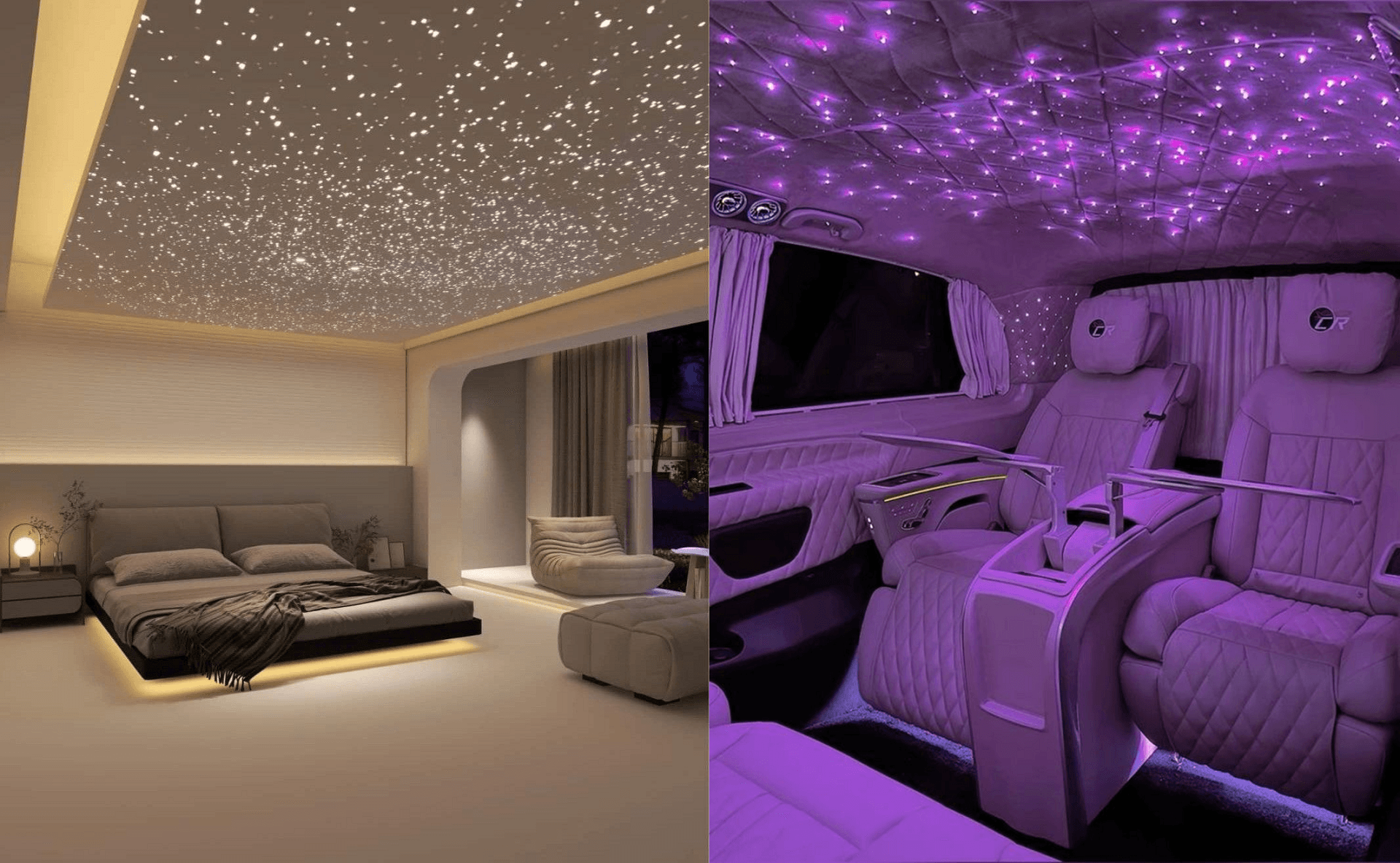
Fiber Optic Lights have become one of the most sought-after decorative lighting solutions for modern homes, commercial spaces, hotels, cinemas, restaurants, and luxury architectural projects. Unlike conventional lighting, fiber optic systems create a magical starry effect while providing safe, energy-efficient, and visually stunning illumination. Whether you want to transform your home theater into a night sky or add elegant lighting to a swimming pool, Fiber Optic Lights offer endless design possibilities.
At Axion Lights, we provide premium Fiber Optic Lighting solutions designed to enhance interiors and exteriors with reliable performance, long lifespan, and exceptional aesthetics. This guide explains everything you need to know before choosing the right fiber optic lighting system for your project.
What Are Fiber Optic Lights?
Fiber Optic Lights are lighting systems that transmit light through extremely thin optical fibers instead of generating light directly at each illuminated point. A single LED light engine sends light through hundreds of fiber strands, creating bright illuminated endpoints while keeping electricity safely away from the installation area.
This technology makes Fiber Optic Lighting an excellent choice for decorative applications where safety, flexibility, and long-term performance are essential.
Why Fiber Optic Lighting Is Becoming So Popular
Modern architects and interior designers increasingly choose Fiber Optic Star Ceiling because they create unique visual effects that traditional LED fixtures cannot achieve.
Major advantages include:
Elegant star ceiling effects
Safe lighting with no electricity at fiber endpoints
Extremely low maintenance
Energy-efficient LED light engines
Customizable colors and twinkling effects
Long operating life
Suitable for indoor and outdoor installations
Because only light travels through the fibers, these systems are especially popular in moisture-sensitive areas such as swimming pools, spas, fountains, and wellness centers.
Applications of Fiber Optic Lights
One of the biggest advantages of Fiber Optic Lighting is its versatility. It can be installed in both residential and commercial environments.
Common applications include:
Fiber Optic Star Ceilings
A Fiber Optic Star Ceiling recreates the appearance of a clear night sky. Thousands of tiny glowing stars can be arranged in custom constellations, creating an immersive experience in home theaters, bedrooms, lounges, and luxury villas.
Home Theater Lighting
A Fiber Optic Home Theater Ceiling enhances the cinematic experience by providing soft ambient lighting without causing glare on the screen.
Architectural Lighting
Modern architects use Architectural Fiber Optic Lighting to highlight ceilings, walls, columns, coves, and premium interior designs.
Swimming Pools & Water Features
Since electricity is isolated inside the light engine, Fiber Optic Pool Lighting is one of the safest decorative lighting options for underwater environments.
Hotels & Restaurants
Luxury hotels, cafés, restaurants, and banquet halls use Fiber Optic Ceiling Lights to create elegant and memorable interiors that leave a lasting impression on guests.
Types of Fiber Optic Lighting Systems
Choosing the right system depends on your project requirements.
End Glow Fiber Optics
The light appears only at the tip of each fiber, making it ideal for Star Ceiling Lights, Fiber Optic Car Lighting and decorative ceiling installations.
Side Glow Fiber Optics
These fibers emit light along their entire length and are commonly used for architectural outlines, pathways, decorative walls, and creative interior lighting.
RGB Fiber Optic Systems
RGB systems allow users to change colors, create dynamic lighting scenes, and control brightness using remote controls, Wi-Fi, or DMX controllers.
Benefits of Fiber Optic Lights
Investing in Fiber Optic Lighting offers several long-term advantages.
Safe operation
Energy-efficient LED technology
Minimal heat generation
Long service life
Elegant decorative effects
Flexible installation options
Low maintenance requirements
Suitable for humid and outdoor environments
Custom star patterns and lighting designs
These benefits make Fiber Optic Lights a preferred choice for luxury residential and commercial projects.
Installation Tips for Fiber Optic Star Ceilings
A professional installation ensures the best visual results and long-term performance.
Key recommendations include:
Plan the star layout before installation.
Select the correct number of fiber strands based on ceiling size.
Use a high-quality LED light engine.
Hide the light source above the false ceiling.
Combine multiple fiber diameters to create a realistic star effect.
Consider RGB systems for dynamic color-changing designs.
Leave sufficient access for future maintenance of the light engine.
Professional installation by experienced lighting experts, such as Axion Lights, helps maximize both performance and aesthetics.
Why Choose Axion Lights?
At Axion Lights, we specialize in premium Fiber Optic Lighting solutions for homes, commercial buildings, hotels, restaurants, cinemas, villas, swimming pools, and customized architectural projects across Pakistan.
Our solutions include:
High-quality fiber optic cables
Reliable LED light engines
RGB color-changing systems
Professional project consultation
Custom installation support
Durable components designed for long-term performance
Whether you are designing a luxury residence or a commercial entertainment space, our team can recommend the ideal fiber optic solution for your project.
FAQs
1. What is fiber optic lighting?
Fiber optic lighting is a lighting system that transmits light through thin optical fibers from a centralized LED light engine. The fibers themselves do not carry electricity, making the system highly safe, energy-efficient, and ideal for decorative applications such as Fiber Optic Star Ceilings, swimming pools, and architectural lighting.
2. What are the disadvantages of fiber optic lights?
Although Fiber Optic Lights offer many benefits, they also have some limitations. Initial installation costs can be higher than standard LED lighting, professional installation may be required for complex projects, and the brightness depends on the quality and capacity of the LED light engine. However, these disadvantages are often outweighed by their durability, safety, and unique visual appeal.
3. How much do fiber optic lights cost?
The cost of Fiber Optic Lighting depends on several factors, including the number of fiber strands, light engine power, RGB features, installation complexity, and project size. Small residential installations are generally more affordable, while custom luxury star ceiling projects require larger systems. At Axion Lights, we provide customized solutions based on your project requirements and budget.
4. Do fiber optic lights use a lot of electricity?
No. Fiber Optic Lights are highly energy-efficient because they use modern LED light engines that consume very little electricity while illuminating hundreds of fiber strands. Compared with many traditional decorative lighting systems, they offer lower energy consumption and reduced operating costs.
5. How long will fiber optic lights last?
High-quality Fiber Optic Lighting systems can last for many years with proper installation and maintenance. The optical fibers themselves have a very long lifespan, while modern LED light engines often provide up to 50,000 hours of operation before requiring replacement.
6. How strong is fiber optic light?
The brightness of Fiber Optic Lights depends on the LED light engine, fiber diameter, and installation design. While fiber optic systems are mainly intended for decorative and ambient lighting rather than task lighting, they can produce impressive visual effects, especially in Star Ceiling Lights, architectural features, and entertainment spaces.
7. What are the risks of fiber optics?
Fiber optic lighting is generally very safe because electricity remains inside the light engine rather than traveling through the fibers. The main risks occur during installation, where broken fiber strands may have sharp ends and should be handled carefully. Choosing quality components and professional installation minimizes these risks.
8. Do fiber optics glow in the dark?
No. Fiber optic cables do not naturally glow in the dark. They only illuminate when connected to an active LED light engine. Once the light source is switched off, the fibers stop emitting light.
9. How do fiber optic lights work?
A centralized LED light engine generates light that travels through flexible optical fibers using internal reflection. The light exits at the tip (or along the length in side-glow systems), creating decorative lighting effects without transmitting electricity through the fibers. This design makes Fiber Optic Lighting both safe and highly versatile.
10. What are the pros and cons of fiber optics?
Pros:
Extremely safe
Energy-efficient
Long lifespan
Minimal heat generation
Low maintenance
Beautiful decorative lighting effects
Ideal for star ceilings, pools, and architectural projects
Cons:
Higher initial installation cost
Professional installation recommended
Not designed for primary room illumination
Light engine replacement may eventually be required
Conclusion
Fiber Optic Lights offer an elegant combination of safety, energy efficiency, and premium design, making them one of the best solutions for modern decorative and Architectural Lighting projects. From breathtaking Fiber Optic Star Ceilings and luxury home theaters to swimming pools, hotels, restaurants, and commercial interiors, these systems provide a sophisticated lighting experience that traditional fixtures cannot match.
If you are planning a residential or commercial lighting project in Pakistan, Axion Lights provides high-quality Fiber Optic Lighting, professional consultation, customized solutions, and expert installation support to help you create visually stunning spaces that stand out for years to come.